Top 10 Types of Electrical Wire for Your Projects?
Choosing the right electrical wire for your projects is crucial. Electrical wires come in various types, each suited for specific applications. Understanding these types helps ensure safety and efficiency in your work.
Electrical wire is essential in every construction and repair project. It connects power sources to devices and systems. However, selecting the correct type can be overwhelming. Many options exist, from copper to aluminum wires, each with unique characteristics.
Examine your project needs thoroughly. Misjudging the wire type can lead to inefficiencies or risks. Familiarizing yourself with common wire types will save you time and frustration. A well-informed choice reflects experience and enhances project success.
Types of Electrical Wire: Understanding the Basics
When selecting electrical wire for various projects, understanding the types is crucial. Different wires serve distinct purposes. For instance, non-metallic sheathed cable (NM) is commonly used in residential wiring. It is affordable and simple to install, yet not always the best for high-moisture areas.
According to industry reports, copper wire remains the most popular choice in electrical wiring. It has excellent conductivity and durability. In fact, about 70% of residential projects utilize copper. However, some may overlook aluminum wire. While it is lighter and cheaper, it requires careful handling due to its different conductivity characteristics.
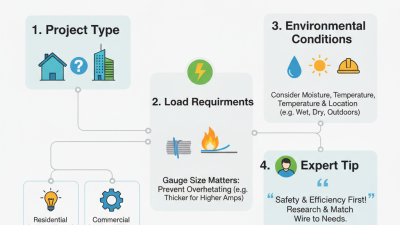
Choosing the right wire can be daunting. Factors like installation environment and electrical load are essential. Research shows that improperly chosen wiring can lead to increased energy costs and even potential hazards.
It is vital to consult local building codes, as they influence what types of wire are permissible. This knowledge can affect the safety and efficiency of any electrical project.
Copper Wire: Versatility and Conductivity in Electrical Projects
Copper wire is a cornerstone in electrical projects due to its excellent conductivity and flexibility. Its ability to carry current efficiently makes it ideal for various applications. From home wiring to electronics, copper wire is often the first choice for professionals and DIY enthusiasts alike. The metal’s versatility allows it to be twisted, bent, and cut easily, making it a practical option for different project requirements.
When working with copper wire, consider these tips. Always choose the right gauge for your project. A thicker wire can handle more current but might be harder to work with. Smaller gauge wires are more flexible but may not support heavy loads. It’s vital to balance flexibility and conductivity.
Copper can corrode, especially in moist environments. Coating your copper wire with solder or paint can help reduce this risk. Keep an eye on connections and wire integrity to prevent issues down the road. Regular maintenance can save time and money later on. Working with copper wire might sometimes lead to challenges, but the benefits often outweigh the downsides.
Aluminum Wire: Cost-Effective Solutions for Power Distribution
Aluminum wire is often overlooked for home electrical projects. It offers cost-effective solutions for power distribution. Many contractors choose aluminum due to its lower price compared to copper. It's lightweight and easy to work with, making it ideal for larger applications. However, it does have some drawbacks.
One concern is that aluminum wire can be prone to oxidation. This corrosion can increase resistance, impacting performance. Ensure proper connections to minimize this issue. Using anti-oxidant compounds can help maintain reliability. Pay attention to your installation technique as well. Poor connections may lead to overheating and safety hazards.
When using aluminum wire, consider local building codes. Some regions have specific regulations regarding its use. Regular inspections can enhance safety. Always choose an appropriate gauge for your project to handle the power load properly. This approach will prevent future electrical issues.
Top 10 Types of Electrical Wire for Your Projects
| Wire Type |
Material |
Cost per Foot |
Best Use |
Ampacity |
| Aluminum Wire |
Aluminum |
$0.75 |
Overhead power lines |
30-50 Amps |
| Copper Wire |
Copper |
$2.00 |
Indoor wiring |
20-100 Amps |
| THHN Wire |
Copper/Aluminum |
$0.85 |
General purpose |
15-60 Amps |
| Romex Wire |
Copper |
$1.50 |
Residential wiring |
15-20 Amps |
| UF Wire |
Copper/Aluminum |
$1.10 |
Underground use |
20-50 Amps |
| Service Entrance Cable |
Copper |
$1.20 |
Main power supply |
60-100 Amps |
| Multi-Conductor Cable |
Copper |
$1.70 |
Complex installations |
15-30 Amps |
| Flat Cable |
Copper |
$0.65 |
Low-profile applications |
10-15 Amps |
| Speaker Wire |
Copper |
$0.25 |
Audio connections |
N/A |
| Coaxial Cable |
Copper |
$0.90 |
Television and internet |
N/A |
Romex and NM Cable: Safe Wiring for Residential Applications
When it comes to residential wiring, safety is paramount. Romex and NM cables stand out due to their suitability for a variety of applications. According to the National Electrical Manufacturers Association (NEMA), over 60% of new homes in the U.S. utilize Romex, reflecting its popularity among electricians. This cable type features insulation that protects against moisture and physical damage. Ideal for indoor use, Romex reduces the risk of electrical fires and shock hazards.
However, while Romex offers many benefits, it has limitations. For instance, it's not recommended for outdoor projects where exposure to the elements is a concern. Furthermore, using Romex improperly can lead to problems. A report from the Electrical Safety Foundation International (ESFI) noted that improper installation remains a leading cause of electrical hazards. Electricians must ensure they follow local codes and regulations to mitigate risks associated with residential wiring.
In addition, NM cables come in various gauge sizes, allowing for flexibility in electrical load management. This adaptability can be particularly beneficial in households with many devices. Nevertheless, understanding the specific requirements of your electrical system is essential. Crucial details like amperage rating and the environment of installation must be considered. Addressing these factors ensures optimal performance and safety in residential applications.
THHN vs. THWN: Choosing the Right Insulation for Your Needs
When selecting electrical wire for a project, understanding insulation types is crucial. THHN and THWN wires are popular choices, but they serve different purposes. THHN wire features thermoplastic insulation, which provides excellent resistance to heat. It is often used indoors, where humidity is controlled. This wire is ideal for conventional wiring applications.
On the other hand, THWN wire includes similar properties but adds water resistance. This makes THWN wire suitable for outdoor and wet locations. If your project involves potential exposure to moisture, THWN is a smarter choice. Both types are versatile, yet your environment dictates which one to use.
Choosing between THHN and THWN can be intense. Think about where and how you’ll use the wire. A thorough understanding of the project’s requirements is essential. Mistakes in wire selection can lead to safety risks or project delays. Balancing heat resistance and moisture protection will ensure your wiring is effective and reliable.