How to Choose the Right Electrical Cable for Your Projects?
Choosing the right electrical cable can be a daunting task for many. As John Doe, a seasoned electrical engineer, states, “Selecting the correct electrical cable is essential for safety and efficiency.” This highlights the critical role that appropriate cable choice plays in any project.
There are various types of electrical cables, each with unique properties. Understanding these differences is key. For instance, using the wrong cable can lead to overheating or even fire hazards. Moreover, many projects fail to consider installation environments. This oversight can lead to unexpected challenges and costly fixes.
Inadequate knowledge can lead to regrettable decisions. As projects evolve, the required specifications for electrical cables may also change. A reflective approach is necessary when selecting cables. Prioritize safety and functionality to avoid mistakes, and always consult experts when in doubt.
Understanding Different Types of Electrical Cables Available in the Market
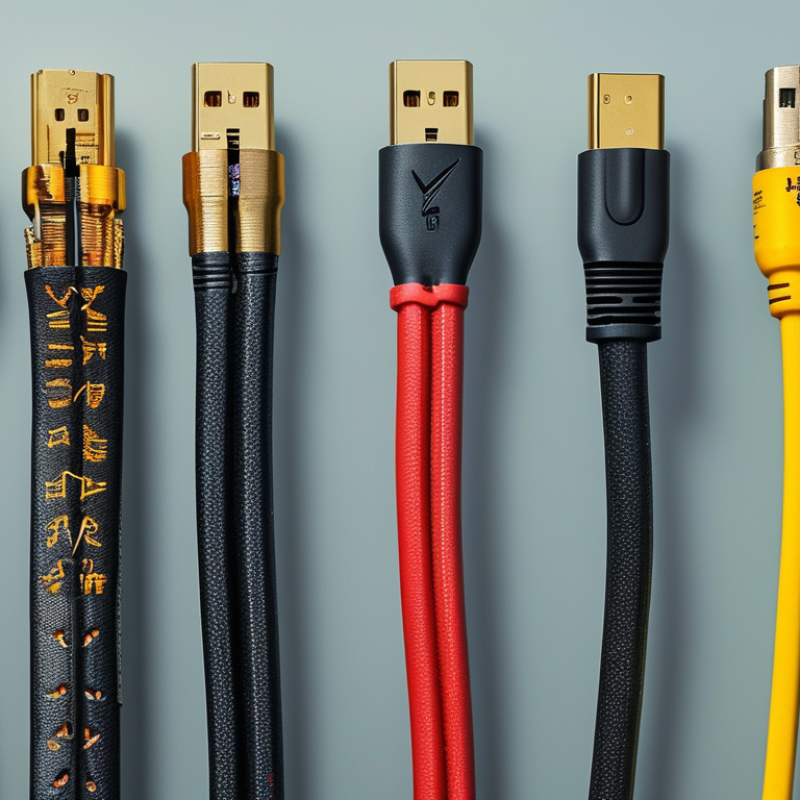
Choosing the right electrical cable involves understanding the various types available in the market. Cables differ in size, insulation, and the materials used. Common types include THHN, UF, and Romex. Each type serves a specific purpose, making selection crucial for safety and efficiency.
THHN is known for its heat resistance. It’s ideal for dry locations. UF cables are designed for outdoor use. They withstand moisture and abrasion. Romex is often used in residential wiring. It's flexible and convenient for indoor projects.
Selecting the wrong cable can lead to problems. Overloading can cause overheating. This may result in electrical fires. It's critical to consider the environment where the cable will be used. Always check the specifications and ratings. Sometimes, the best choice may not be the most obvious. Understanding your project needs helps in making an informed decision. Familiarize yourself with the options available. It's worth the effort for safety and reliability.
Choosing the Right Electrical Cable for Your Projects
Evaluating Current and Voltage Requirements for Your Project
When selecting the right electrical cable, understanding current and voltage requirements is crucial. Begin by assessing your project's power needs. For instance, a small appliance may require just a few amps, while heavy machinery could demand much more. It's vital to know the maximum current your cable will carry. Overloading a cable can lead to overheating and potential hazards.
Next, voltage ratings must be carefully considered. Cables have specific voltage limits, and exceeding these can result in insulation failure. For example, a 120V cable should never be used in a 240V application. This mismatch can be dangerous and costly. Always consult guidelines on wire gauge and insulation types for optimal performance.
In practice, challenges often arise. You might find that an ideal cable doesn't come in the length you need. Alternatively, the right gauge may be too stiff for your application. These situations require creative solutions. Keep in mind that trial and error can improve your selection process. Every project teaches valuable lessons.
Assessing Cable Insulation Materials and Their Properties
When selecting electrical cables for projects, understanding insulation materials is crucial. Different insulation types affect durability, safety, and performance. Common choices include PVC, XLPE, and rubber. PVC offers good electrical insulation with moderate temperature resistance, ideal for many residential applications. XLPE provides superior thermal stability and high impact resistance, suitable for industrial settings. Rubber insulation, while flexible, excels in environments requiring frequent movement.
According to a recent study by the National Electrical Manufacturers Association, over 60% of electrical failures stem from insulation breakdown. This data highlights the importance of choosing the right material. Insulation thickness can also play a role; thicker insulation often results in better heat resistance and moisture protection. Standards set by organizations such as Underwriters Laboratories emphasize the need for rigorous testing to ensure safety.
Identifying the right insulation material may feel overwhelming. Factors like environmental conditions and load requirements must be considered. Some products may look appealing but fail under stress. It’s important to research and consult with professionals, ensuring chosen materials meet safety regulations. This careful approach can prevent costly mistakes and enhance project longevity.
Determining Environmental Factors Affecting Cable Selection
When selecting electrical cables, environmental factors play a crucial role. Temperature, moisture, and exposure to chemicals can significantly impact cable performance and longevity. For example, cables used in outdoor settings must withstand UV rays, while those in humid areas should resist water ingress. According to the National Electrical Manufacturers Association (NEMA), about 24% of cable failures are attributable to environmental stressors.
Understanding temperature ratings is essential. Cables can operate at different temperature ranges, typically between -20°C and +90°C. Exceeding these limits may lead to insulation breakdown, increasing the risk of failure. Research shows that inadequate temperature management can reduce lifespan by up to 50%. Additionally, in places where cables are exposed to moisture or chemicals, selecting jackets with appropriate ratings is vital.
Consider chemical exposure, especially in industrial applications. Certain environments may involve oils, solvents, or acids that can degrade insulation materials. A study by the Institute of Electrical and Electronics Engineers (IEEE) highlights that improper cable selection could result in a 30% increase in failures in such scenarios. Reviewing local conditions carefully is necessary to ensure that the selected cable meets the specific environmental demands. Through careful evaluation, you can minimize risks and enhance the reliability of your electrical installations.
How to Choose the Right Electrical Cable for Your Projects? - Determining Environmental Factors Affecting Cable Selection
| Cable Type |
Temperature Range (°C) |
Environment |
Insulation Material |
Typical Applications |
| Multicore Cable |
-20 to 60 |
Indoor |
PVC |
General purpose wiring |
| Armored Cable |
-20 to 80 |
Outdoor |
XLPE |
Construction sites |
| Flexible Cable |
-15 to 90 |
Indoor/Outdoor |
Rubber |
Portable machines |
| Low-Voltage Cable |
-20 to 70 |
Indoor |
PVC |
Lighting circuits |
| High-Voltage Cable |
-20 to 90 |
Outdoor |
EPR |
Utilities and transmission |
Safety Standards and Regulations to Follow When Choosing Electrical Cables
When selecting electrical cables for your projects, it’s essential to adhere to safety standards. Different regions have unique regulations governing electrical wiring. Compliance ensures not only safety but also reliability in your installations. Research local codes to understand the specific requirements. Many homeowners overlook these regulations, leading to potentially dangerous situations.
Using cables that meet these standards minimizes the risk of fire and electrical shock. It’s crucial to use cables rated for the environment they will be installed in. For example, outdoor cables should withstand moisture and UV exposure. Neglecting this can result in early cable failure. Always verify certifications when purchasing cables.
Personal safety should be a priority. It’s easy to underestimate the risks involved with improper wiring. Many people assume all cables are created equal, but this is not the case. Choose cables based on their intended application, not just cost or appearance. When in doubt, consult an expert. They can provide insight into specific standards that apply to your project, ensuring peace of mind.