How to Choose the Right Bathtub Faucet for Your Bathroom Needs?
Choosing the right Bathtub Faucet is crucial for any bathroom renovation. The faucet is often a focal point, setting the tone for your space. A well-chosen faucet enhances both functionality and style.
Many styles and functions exist. You can choose from single or multi-handle options. Consider a faucet that complements your tub and overall design. Some faucets are more practical than others. A high-arc spout may offer ease for filling larger tubs, while a low-profile might suit a compact space.
Remember, not every faucet will fit your needs. Reflect on your daily routine. Take into account water pressure, finish, and installation type. It's easy to get lost in style, yet functionality is equally essential. Test options in-store or read reviews online. Ultimately, the perfect Bathtub Faucet should marry your personal taste with practicality.
Understanding Different Types of Bathtub Faucets Available on the Market
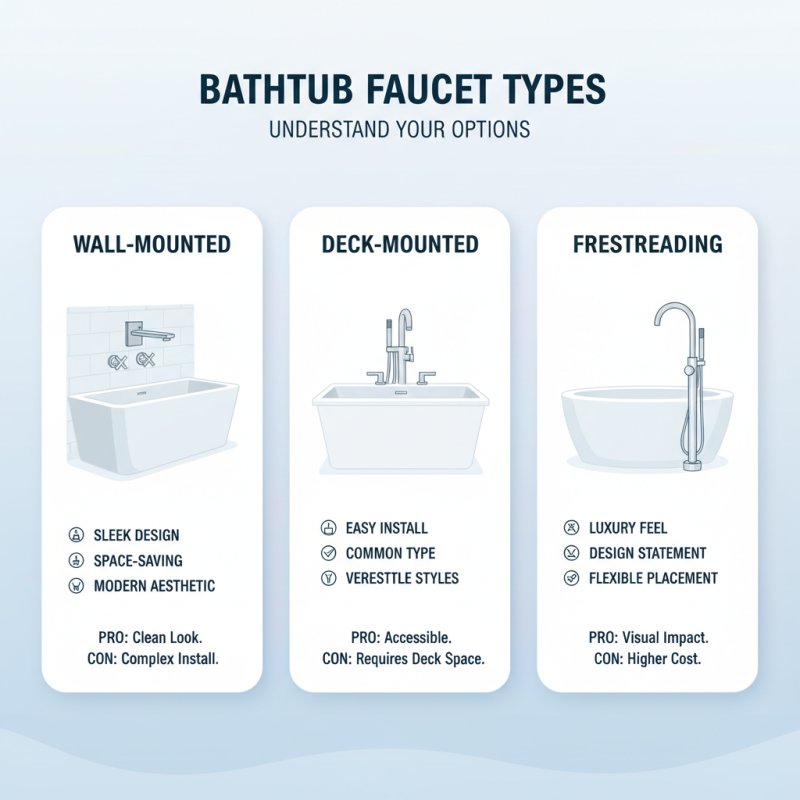
When selecting a bathtub faucet, it's crucial to understand the various types available. Wall-mounted faucets are popular for their sleek design. These are installed directly on the wall, saving space and providing a modern look. They can often create a minimalist aesthetic. However, installation may require more plumbing adjustments.
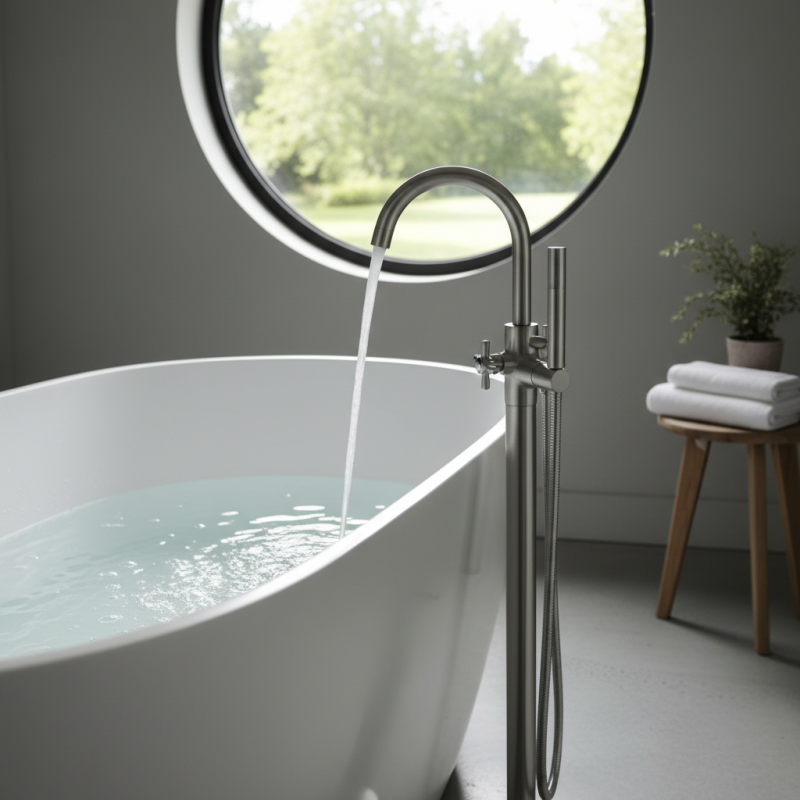
Freestanding faucets are another option. They stand alone, making them a great choice for a stylish bathtub in the center. These faucets often have a wider reach, allowing for easier filling. Yet, their substantial presence might consume more space than you intend. Additionally, their installation could be more complex.
Deck-mounted faucets are common in many bathrooms. They sit directly on the rim of the tub, making them accessible and easy to use. However, this design might not suit all tub styles. Consider the overall look of your bathroom. Each faucet type has its advantages and potential drawbacks. Reflect on what you truly want from your bathroom faucet.
Identifying Key Features to Consider When Selecting a Bathtub Faucet
Choosing the right bathtub faucet can enhance your bathroom's functionality and aesthetics. Consider the material. Brass is durable and withstands corrosion, while stainless steel offers a modern look. Each material has pros and cons. Think carefully about your choice.
Another vital feature is the faucet style. Wall-mounted faucets can save space. On the other hand, deck-mounted options provide ease of installation. Match the style to your tub and overall bathroom design. Make sure it feels cohesive.
Tips: Assess water pressure. Low pressure affects performance. Measure the distance between handles and spout. It’s critical for a proper fit. Also, consider the finish. Chrome, matte, or brushed nickel can change your bathroom's vibe. A well-chosen finish complements other fixtures and adds charm.
Bathtub Faucet Features Comparison
Assessing Compatibility with Your Bathroom's Style and Design
When choosing a bathtub faucet, consider your bathroom's style. The faucet should complement your overall design. If your bathroom features a modern look, sleek lines and minimalistic design are key. On the other hand, a traditional bathroom may benefit from an ornate, vintage-style faucet. Look closely at the finishes as well. Chrome complements contemporary settings, while oil-rubbed bronze suits a rustic aesthetic.
Tips: Think about how the faucet feels in your hand. Test different styles to see what feels comfortable. A mismatched faucet can disrupt the visual flow. Pay attention to height and spout reach as well. An overly tall spout may feel awkward in a smaller tub, so ensure it works in your space.
Also, take into account the faucet's function. A dual-handle faucet creates a classic look but may not fit your needs. Single-handle options are easier to use. Remember, functionality matters. You might find a stunning faucet, but if it doesn’t work for daily use, it will be a source of frustration. Balancing style with practicality is essential in making the right choice.
Evaluating Budget and Pricing Options for Bathtub Faucets
When evaluating budget options for bathtub faucets, you need to consider several factors. The price range is vast, from basic models to high-end designs. Simplicity often comes at a lower cost. If you want more features, be prepared to spend more. A faucet's finish can also impact the price. Chrome finishes are typically more affordable than brushed nickel or bronze.
Think about installation costs too. Some faucets are easier to install than others. If you're on a tight budget, consider whether you can DIY. Hiring a plumber can add significantly to the total expense. Fixtures with complicated installations may lead to unexpected costs.
Don't forget to factor in long-term durability. A cheaper faucet might save money upfront but may need replacing sooner. Investing in quality can save you stress later. Look for reviews, as user experiences can guide your decision. Balancing cost with quality is not easy, but it’s essential for a satisfactory purchase.
How to Choose the Right Bathtub Faucet for Your Bathroom Needs? - Evaluating Budget and Pricing Options for Bathtub Faucets
| Faucet Type |
Price Range |
Material |
Water Flow Rate (GPM) |
Installation Difficulty |
| Wall-Mounted Faucet |
$150 - $500 |
Brass |
2.0 - 2.5 |
Moderate |
| Freestanding Faucet |
$200 - $800 |
Stainless Steel |
1.8 - 2.2 |
Difficult |
| Deck-Mounted Faucet |
$100 - $400 |
Bronze |
2.0 - 2.5 |
Easy |
| Electronic Touch Faucet |
$250 - $600 |
Mixed Materials |
1.5 - 2.0 |
Moderate |