How to Choose the Right Electrical Wire for Your Project?
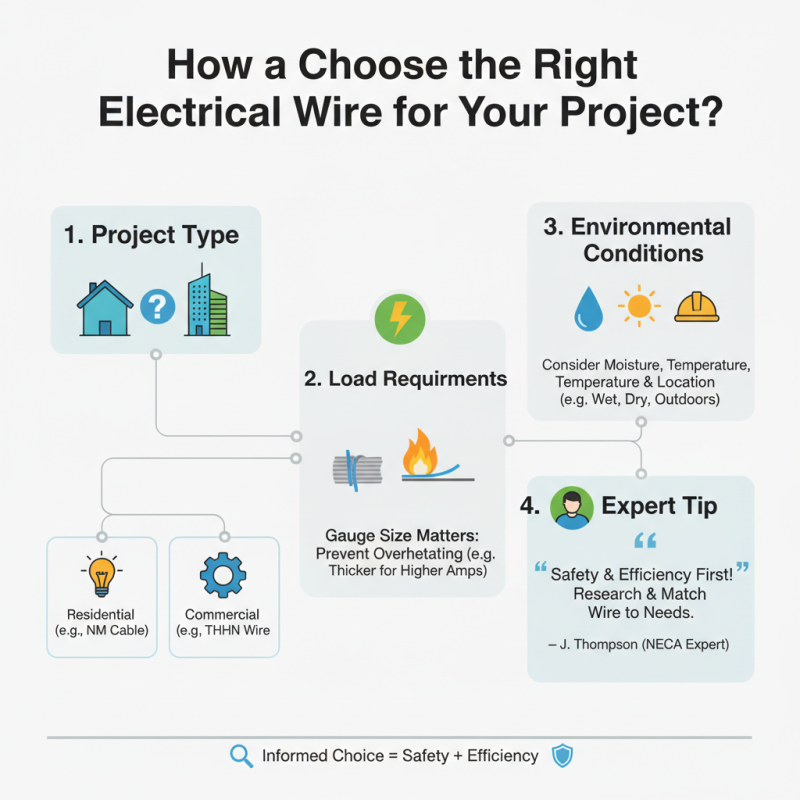
Choosing the right electrical wire is crucial for any project, be it residential or commercial. According to a recent report by the National Electrical Contractors Association (NECA), improper wire selection contributes to nearly 30% of electrical failures. Expert electrician James Thompson says, “The right electrical wire ensures safety and efficiency, preventing costly mistakes.”
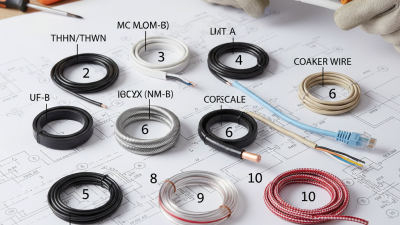
Different types of electrical wires serve various purposes. For instance, NM cable is common in homes for lighting, while THHN wire is preferred for commercial settings. The importance of gauge size cannot be underestimated. Using a wire that is too thin can lead to overheating and risks of fire.
Yet, selecting an electrical wire isn’t always straightforward. Many consider only factors like cost or availability. It’s essential to reflect on load requirements and environmental conditions. Overlooking these aspects can lead to significant issues later. Making an informed choice demands attention to detail and proper research.
Understanding Different Types of Electrical Wires and Their Uses
Choosing the right electrical wire is essential for any project.
Different wires serve specific purposes. Understanding these can greatly impact safety and functionality.
For general wiring in residential projects, you might consider using non-metallic sheathed cable.
It is versatile and easy to work with. In contrast, when dealing with outdoor installations, it's wise to opt for
UF (underground feeder) cable.
This wire resists moisture and is suitable for direct burial.
Tip: Always check local codes before purchasing wire.
Regulations might dictate the type of wire you can use.
You might also encounter THHN wire. This wire is suitable for high-temperature applications.
It is often used in commercial buildings. However, consider the environment it will be used in.
Tip: Think about wire size. Using the wrong gauge can lead to
fire hazards. Always calculate the required amperage for your specific needs.
Evaluating Electrical Wire Ratings and Specifications for Your Needs
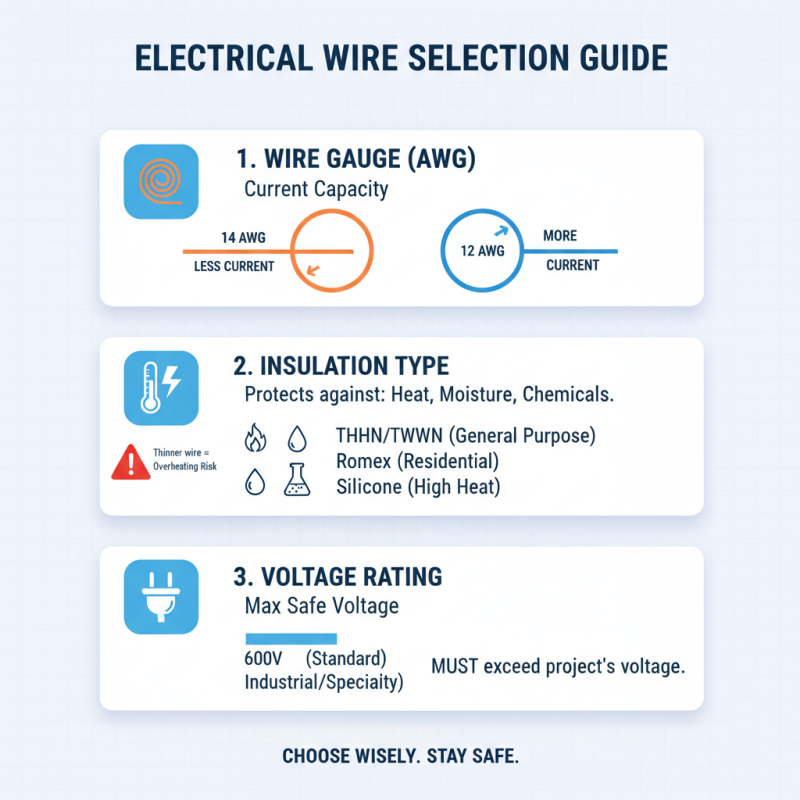
When selecting electrical wire for your project, understanding its ratings and specifications is critical. Various factors come into play, such as wire gauge, insulation type, and voltage rating. A wire's gauge determines its capacity to carry current safely, measured in American Wire Gauge (AWG). Smaller gauges mean thicker wires and higher current ratings. For instance, a 12 AWG wire can carry more current than a 14 AWG wire. Remember, using a wire that's too thin can lead to overheating.
Insulation type also matters. Different projects require different insulation materials. For outdoor applications, choose wires with UV resistance. In contrast, indoor wiring might only need basic insulation. Likewise, voltage ratings specify the maximum voltage a wire can handle. Exceeding this limit can be dangerous. It's crucial to match the wire's rating to your project's requirements.
Do not overlook the environment where the wire will be used. Placing wires in damp areas calls for moisture-resistant options. Also, improper handling or installation can compromise safety. Avoid the common mistake of underestimating the importance of ratings. Each detail plays a significant role in electrical performance and safety. Ensure you choose wisely to avoid future complications.
Determining the Appropriate Wire Gauge for Your Project
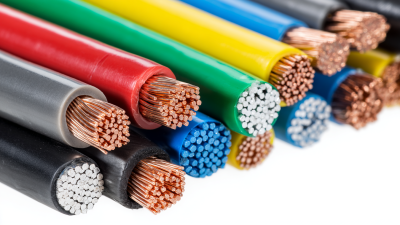
Choosing the right electrical wire gauge is crucial for any project. A wire's gauge determines how much current it can safely carry. Using the wrong gauge can lead to overheating, malfunctions, or even fires. Know your project's power requirements before selecting a gauge.
Some tips for selecting the appropriate wire gauge include understanding amperage. Each gauge has a specific amperage rating. For instance, 14-gauge wire is suitable for 15 amps, while 12-gauge handles 20 amps. Match the wire gauge to your project's needs. Shorter wire runs can often use smaller gauges. However, longer distances may need thicker wires to prevent voltage drop.
Always consider the type of wire insulation as well. Different projects require different insulation types. Indoor and outdoor projects may need distinct protections. Mistakes can happen if these factors aren't weighed properly. Rushing this choice can lead to dangerous scenarios or extra costs down the line. Take time to review your options before making a decision.
Assessing Environmental Factors for Electrical Wire Selection
When selecting electrical wire for your project, environmental factors play a crucial role. Consider the temperature range where the wire will be installed. Extreme heat can degrade insulation, while cold can make it brittle. Choosing wire that can withstand these conditions is essential.
Moisture levels are another important consideration. If the wire will be exposed to water or high humidity, opt for materials that can resist corrosion. This is especially vital for outdoor installations. However, not everyone pays attention to these details. Many assume that all wires are the same. They forget that the wire's environment can significantly impact its performance and lifespan.
Lastly, think about potential physical damage. Wires in high traffic areas may need additional protection. Installing a conduit might be an option to protect the wire. Neglecting this can lead to wear and tear, which no one wants to deal with later. Taking the time to analyze these environmental factors can save headaches down the road.
Ensuring Compliance with Local Electrical Codes and Regulations
Choosing the right electrical wire for your project is crucial. Local electrical codes and regulations exist for safety. These regulations can differ significantly across regions. Ignoring them can lead to dangerous situations. It may also lead to costly repairs in the future.
Before selecting wire, check your local codes. Some areas require specific wire types. It’s important to understand their guidelines. This information is typically available online. Sometimes, consulting with a local electrician can clarify any confusion. Each project has unique demands. What works for one may not suit another.
Consider the wire's gauge and insulation type. Thicker wires handle more current. Different insulation materials resist various temperatures. Yet, the requirements can be challenging. You might underestimate the need for a higher gauge in some cases. Always double-check your calculations. A small oversight could jeopardize the project’s safety.
How to Choose the Right Electrical Wire for Your Project?
| Wire Type |
Wire Gauge (AWG) |
Usage |
Material |
Insulation Type |
| NM (Non-Metallic) Cable |
14-2 |
Residential lighting and outlets |
Copper |
Thermoplastic |
| THHN (Thermoplastic High Heat Resistant Nylon Coated) |
12 |
Commercial wiring |
Copper or Aluminum |
Nylon |
| UF (Underground Feeder) Cable |
12-2 |
Outdoor circuits and underground |
Copper |
Thermoplastic |
| SER (Service Entrance) Cable |
6-3 |
Main service to the building |
Aluminum |
Thermoplastic |
| MC (Metal Clad) Cable |
10-3 |
Commercial and industrial use |
Copper |
Thermoplastic |