How to Choose the Right Electric Wire for Your Needs?
Choosing the right electric wire can be daunting. With various types and sizes available, making a decision is not straightforward. Electric wire is essential for transferring power reliably and safely.
When selecting electric wire, consider the application. Different projects require specific wire types. For example, indoor wiring differs from outdoor. Additionally, gauge size affects current capacity. A smaller gauge handles more current, while a larger one is for lighter loads.
However, personal preferences can cloud judgment. It’s easy to get overwhelmed by choices. Reflect on your needs before purchasing. Use guidance from reliable sources or seek expert advice. Making the right decision not only ensures safety but enhances performance too.
Understanding Wire Types: Overview of Electric Wires and Their Uses
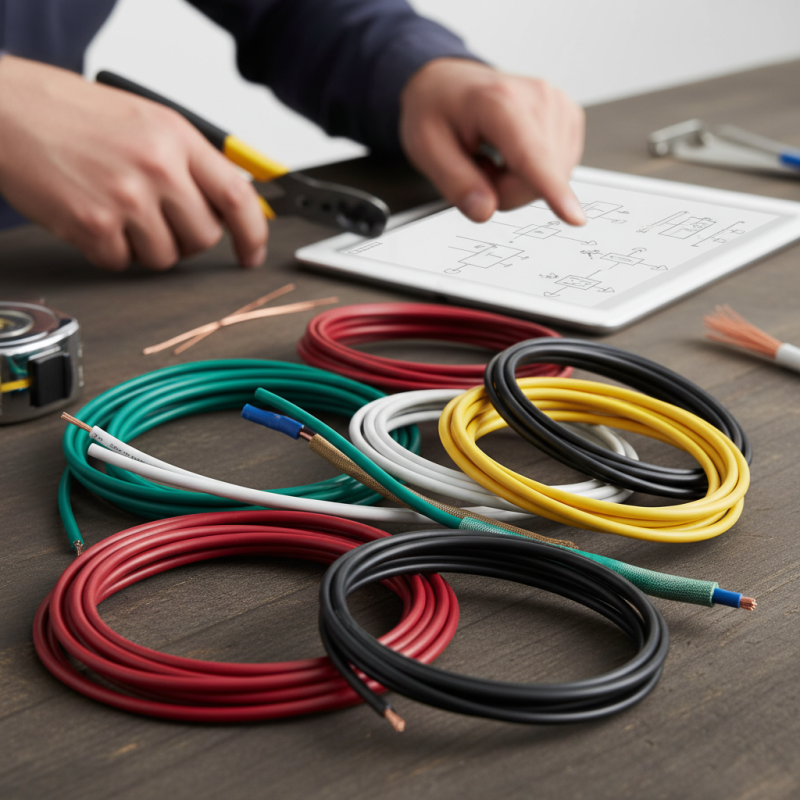
When choosing electric wires, understanding their types is essential. There are several categories of wire available. Each type serves different purposes and applications. For residential use, non-metallic sheathed cables are common. They are flexible and easy to install. However, they may lack durability in harsh environments.
Metallic conduits offer more protection. They are great for outdoor wiring or industrial settings. Yet, they can be heavier and more challenging to work with. It’s important to consider the wire gauge, too. A larger gauge wire can carry more current. But it also costs more. You might choose a smaller gauge to save money. Just ensure it meets your power needs.
Another factor is insulation. Different materials have unique temperature ratings. Using the wrong insulation can lead to hazards. It’s a risk worth evaluating deeply. Not all wires are suitable for your specific needs. Sometimes, the wrong choice can result in electrical failures. If unsure, seeking expert advice can clarify your options.
How to Choose the Right Electric Wire for Your Needs? - Understanding Wire Types: Overview of Electric Wires and Their Uses
| Wire Type |
Description |
Common Uses |
Wire Gauge (AWG) |
Voltage Rating |
| THHN/THWN |
Thermoplastic insulation, heat and water-resistant. |
Residential and commercial building wiring. |
14 - 2 AWG |
600V |
| Romex (NM) |
Non-metallic sheathed cable, for indoor use. |
Home wiring, outlets, and light fixtures. |
14 - 10 AWG |
120/240V |
| UF Cable |
Underground feeder cable, moisture-resistant. |
Outdoor power supply, garden lighting. |
14 - 6 AWG |
600V |
| Speaker Wire |
Flexible wire designed for audio applications. |
Connecting speakers to audio systems. |
16 - 12 AWG |
Varies with application |
| Coaxial Cable |
Consists of a central conductor, dielectric, and an outer conductor. |
Television and internet connections. |
18 AWG (inner) |
75Ω for video |
Key Factors to Consider When Selecting Electric Wire
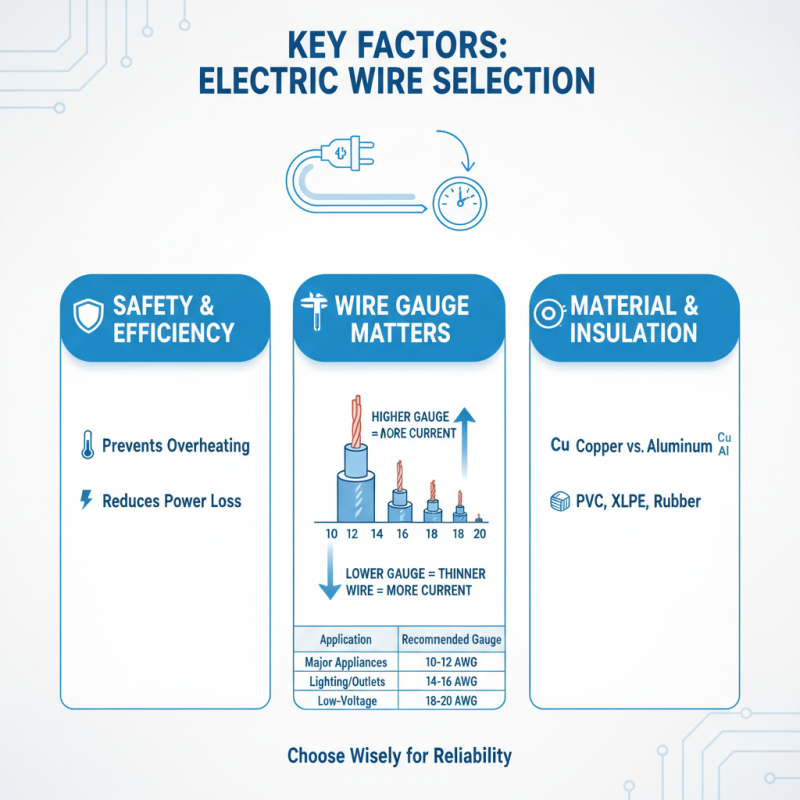
Choosing the right electric wire is crucial for safety and efficiency. When selecting wire, gauge plays a vital role. A thicker wire, like 10-gauge, can carry more current than a thinner one. This can prevent overheating. However, thick wires are harder to handle. You may struggle with bending and fitting them into tight spaces.
Insulation type also matters. Different materials offer varying levels of protection. For instance, PVC is common, yet it may not withstand high temperatures as well as rubber. Think about the environment where the wire will be used. If it’s outdoors, sunlight-resistant insulation is necessary. Indoor uses can often be more flexible.
Consider the wire’s voltage rating next. Higher voltage applications require specific wire types to prevent risks. Also, reflect on your overall project scope. Overestimating needs can lead to wasted materials. Underestimating can cause issues down the line, like short circuits. Choosing wire might seem straightforward, but careful consideration is essential for lasting results.
Evaluating Wire Gauge and Its Impact on Electrical Projects
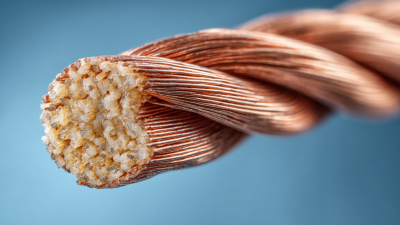
Choosing the right wire gauge is crucial for any electrical project. Each gauge defines the wire's diameter and its capacity to carry current. A smaller gauge number means a thicker wire. This can handle more amperage. For example, 12-gauge wire is often used for typical household circuits. It’s essential for safety and efficiency.
Using a thicker wire can seem advantageous, but it isn't always necessary. Overly thick wires can lead to inflexibility in installation. They may be more challenging to work with in tight spaces. On the other hand, using too thin wire can lead to overheating. Under certain conditions, it might even melt insulation. This underscores the importance of carefully evaluating the specific requirements of your project.
Ambient temperature and distance also affect wire choices. A wire running a long distance may require a thicker gauge to mitigate voltage drops. It's not just about the wire; it's about the entire system. Consider the load requirements and how they fit. Mistakes can be costly and dangerous, so take time to reflect on your needs.
Safety Standards and Regulations for Electric Wire Selection
When selecting electric wire, safety is paramount. It’s essential to understand various safety standards and regulations. Different countries have their codes. For example, the National Electrical Code (NEC) in the United States offers guidelines that ensure safety electrical installations. Failing to adhere to these can lead to serious safety hazards.
Consider wire insulation. Different environments require specific insulation types. For instance, indoor wires typically require less robust insulation compared to outdoor wires. Waterproof or flame-resistant insulation might be necessary in specific scenarios.
Selecting the correct wire gauge is also critical. A thicker wire can handle more current, reducing overheating risks, while a thinner wire may not meet the load requirements.
Being aware of local regulations is crucial. Ignoring them could lead to fines or dangerous situations. Always consult with a professional if unsure. Taking shortcuts is tempting, but it can compromise safety.
Understanding the rules can prevent costly mistakes and ensure electrical systems operate safely and effectively.
Common Mistakes to Avoid When Choosing Electric Wire
Choosing the right electric wire is crucial for any project. Many people overlook key factors. One common mistake is ignoring the wire's gauge. Using a wire that is too thin can lead to overheating and potential fire hazards. On the other hand, using a wire that is too thick can be unnecessarily expensive. Finding the right balance is essential.
Another mistake is not considering the wire's insulation type. Different environments require different insulation. For instance, outdoor installations need more durable insulation. Yet, some might choose standard indoor wire, thinking it's sufficient. This can lead to severe issues over time. Additionally, forgetting to check local codes can cause complications. Regulations vary by location, and not adhering can lead to future problems.
Many assume that all wires are the same, but they vary significantly. Some wires are only suitable for low-voltage applications, while others can handle high voltage. Relying on assumptions can lead to costly mistakes. Always research before making a decision. Take the time to understand the specific needs of your project.