How to Choose the Best Led Ceiling Light for Your Home?
Choosing the right LED ceiling light can transform your living space. It is essential to consider various factors for an informed decision. The right LED ceiling light provides illumination and enhances your home's aesthetic.
Quality and style matter. Look for lights that fit your decor. Consider brightness levels and color temperatures. These will influence the mood of your space. Energy efficiency is crucial for long-term savings. LED lights consume less power, making them a smart choice.
Reflect on your needs. What areas require more light? Do you prefer a dimmable option? Each choice affects functionality. Not every product on the market is reliable. Research brands and read reviews. Ultimately, a well-thought-out selection of your LED ceiling light can lead to greater satisfaction and comfort in your home.
Understanding LED Ceiling Lights: Types and Benefits
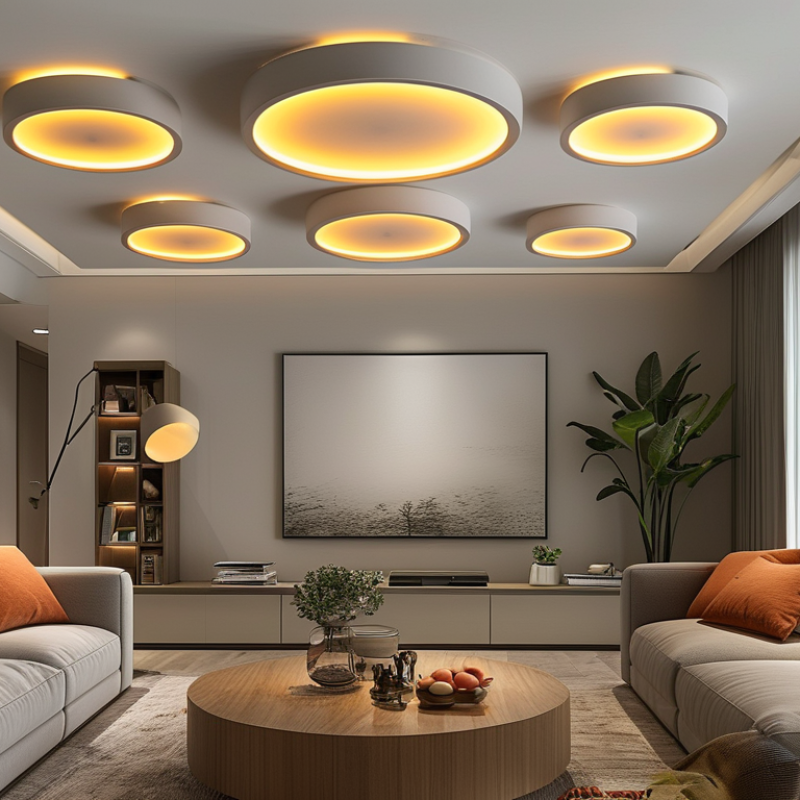
LED ceiling lights have gained popularity due to their efficiency and versatility. Understanding their types and benefits is crucial. There are several types of LED ceiling lights, including flush mounts, semi-flush mounts, and recessed lights. Each type serves unique purposes in different spaces. For example, flush mounts fit close to the ceiling, making them ideal for low ceilings. They save space and provide even lighting.
Benefits of LED lights extend beyond energy efficiency. They give off less heat than traditional bulbs, maximizing safety. Many LED ceiling lights also come with dimming options, allowing users to adjust brightness easily. This flexibility can enhance the atmosphere of any room. However, some people may struggle with selecting the right brightness or color temperature. Different settings can create varying moods, which might be overwhelming.
Reflecting on the technology, not every LED light performs equally. Some may flicker or have a limited lifespan. It’s essential to consider quality over price. Look for lights with good reviews and warranties. Investing time in research can prevent future regrets. Overall, understanding LED ceiling lights can lead to better choices for your home environment.
Comparison of LED Ceiling Light Types and Their Benefits
This bar chart demonstrates the energy efficiency of different types of LED ceiling lights measured in lumens per watt. Higher values indicate better energy performance.
Key Factors to Consider When Choosing LED Ceiling Lights
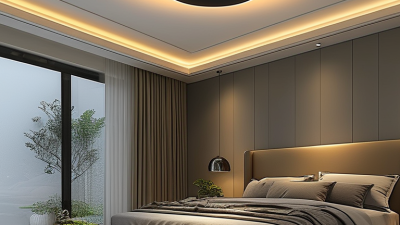
When selecting LED ceiling lights for your home, several key factors demand your attention. The brightness of the light is crucial. Measured in lumens, this tells you how much light a fixture produces. A higher lumen count provides better illumination, ideal for areas like kitchens or living rooms. For cozy spaces like bedrooms, lower lumens create a calming atmosphere. Warm white tones (around 3000K) offer a welcoming feel, while cool white (5000K) gives a modern touch.
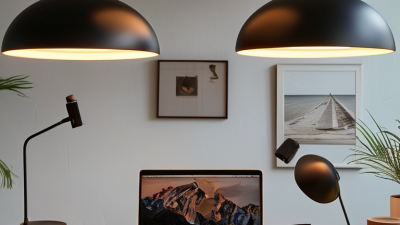
Another essential consideration is the design and fixture style. Opt for fixtures that complement your home’s decor. Consider the size of the room and the height of the ceiling. A low-profile design works well in tight spaces, while larger and pendant designs can serve as statement pieces in expansive rooms. Don't forget about energy efficiency. Look for lights that are rated for long lifespan and consume less wattage without sacrificing brightness.
Installation and maintenance are often overlooked. Some fixtures may require professional installation, leading to additional costs. Ensure that you understand your DIY capabilities before purchasing. Lastly, reflect on your usage patterns. Will the lights be used frequently, or just occasionally? Taking time to assess these factors will lead to a more satisfying choice.
How to Determine the Right Brightness and Color Temperature
When selecting LED ceiling lights, understanding brightness and color temperature is crucial. Brightness is measured in lumens. According to the Illuminating Engineering Society, a living room typically requires around 1,500 to 3,000 lumens. A kitchen, however, may need up to 5,000 lumens to ensure adequate lighting for tasks. It’s essential to think about the size of your space and how light affects mood and functionality. Too much brightness can create discomfort, while too little can make a room feel dreary and uninviting.
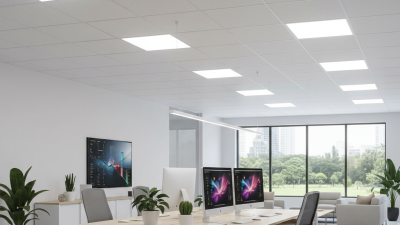
Color temperature is measured in Kelvins. Warmer tones (2700K-3000K) are often preferred for cozy settings, like bedrooms or living rooms. Cooler tones (4000K-5000K) are common in workspaces, enhancing focus and concentration. Research shows people have diverse reactions to color temperature. It can influence productivity and relaxation levels. A balance must be struck, particularly in multi-functional spaces. While warmer light creates comfort, cooler light promotes alertness, leading to potential conflicts in preferences within a household.
It’s important to reflect on personal preferences. What feels right in one context might not work in another. Testing different lights can bring unexpected challenges. The wrong choice could lead to dissatisfaction, or worse, eye strain. Therefore, creating an ideal lighting scheme is often a trial-and-error process. Understanding your unique needs will help in making informed decisions. This thoughtful approach to brightness and color temperature can significantly enhance your home’s atmosphere.
Tips for Selecting the Perfect Style and Design for Your Space
Choosing the right LED ceiling light for your home can be overwhelming. The style and design you select should reflect your personal taste and enhance your space. Consider the overall aesthetic of the room. For instance, a modern kitchen may benefit from sleek, minimalist fixtures, while a cozy living room might require warm, inviting designs.
Lighting also plays a crucial role in setting the mood. Soft, diffused lights create a calm atmosphere, perfect for relaxation. Bright, focused lights can energize a workspace. Take note of the color temperature when selecting fixtures. Warmer tones can make a room feel cozy, while cooler tones can add a sense of sophistication.
Don't overlook practical considerations. The size and height of your ceiling affect the type of fixtures suitable for the space. A low ceiling may need flush-mounted designs, while taller rooms can handle hanging pendants. Think about how the light interacts with your decor. A mismatch can create an unbalanced look. Hence, reflect on your choices carefully to achieve a harmonious design.
How to Choose the Best Led Ceiling Light for Your Home?
| Feature |
Description |
Considerations |
| Lumens |
The brightness output of the light. |
Choose higher lumens for larger rooms. |
| Color Temperature |
Measures the warmth or coolness of light (measured in Kelvins). |
3000K for warm; 5000K for daylight; Choose based on the ambiance. |
| Style |
The visual design and shape of the light fixture. |
Ensure it complements your room's decor. |
| Size |
Dimensions of the light fixture. |
Larger fixtures for spacious areas; smaller for cozy rooms. |
| Dimmability |
Whether the light can adjust brightness. |
Great for setting the mood; requires compatible dimmer switches. |
| Energy Efficiency |
How much energy the light uses compared to output. |
Look for Energy Star ratings for efficiency. |
| Installation Type |
Surface mount, recessed, or hanging fixtures. |
Choose based on ceiling height and room design. |
| Price Range |
Cost of the fixture and installation. |
Consider long-term savings from energy efficiency. |
Energy Efficiency and Lifespan: What to Look For in LED Lights
When selecting LED ceiling lights, energy efficiency and lifespan are critical factors. LED lights excel in both areas, offering significant savings on electricity bills. They convert about 80-90% of energy into light, making them far more efficient than traditional bulbs. Additionally, their lifespan can reach up to 25,000 hours. This feature reduces the frequency of replacements and waste.
Tips: Check the lumen output to gauge brightness. A higher lumen count means a brighter light, suited for larger spaces.
Another aspect to consider is the color temperature. Different temperatures can affect the ambiance of a room. Warm white creates a cozy feel, while cool white enhances focus. Finding the right balance is essential for comfort and functionality.
Tip: If uncertain, ask for samples. Testing a light in your environment can provide clarity. Reflect on how each option fits your needs. While LED lights may have higher upfront costs, their durability and efficiency lead to savings over time.