Best Indoor Socket Options for Efficient Home Use?
Indoor sockets play a crucial role in modern homes. They provide convenient access to electricity for various devices. Choosing the right indoor socket can enhance your home’s efficiency.
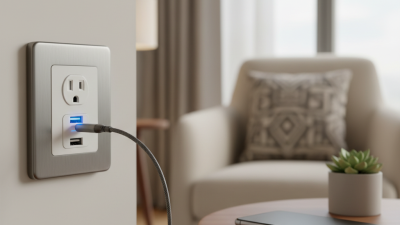
When selecting indoor sockets, consider their design and functionality. Some sockets offer USB ports for charging devices. Others have timers or smart features, allowing for better energy management. It’s important to choose a socket that fits your needs.
However, some sockets may not have the best safety ratings. Researching options thoroughly can help avoid potential hazards. Look for products from reputable brands. Remember, an informed choice leads to a safer and more efficient living space.
Types of Indoor Sockets for Home Use
When considering the types of indoor sockets for home use, efficiency and safety are paramount. The two primary socket types are standard outlets and smart sockets. Standard outlets provide basic power access for appliances and devices. In contrast, smart sockets can help manage energy use more effectively. According to a 2022 report by the International Energy Agency, smart technology can reduce energy consumption by up to 15% in residential settings.
Proper installation of indoor sockets plays a crucial role in safety. Incorrectly installed or substandard sockets can lead to electrical fires or damage to devices. Research from the Electrical Safety Foundation International indicates that more than 45% of electrical fires originate from faulty outlets or plugs. It’s vital to ensure that sockets are correctly rated for the appliances they will serve.
**Tip:** Regularly check your outlets for signs of wear or damage. Look for discoloration, cracking, or looseness that indicates they might need replacement.
Another consideration is the placement of sockets throughout a home. Strategic placement minimizes the use of extension cords, enhancing safety. The National Fire Protection Association states that overloading outlets is a significant risk factor for household fires. Ensuring easy access to sockets reduces this risk.
**Tip:** Use wall-mounted charging stations for devices, reducing clutter and improving accessibility.
Best Indoor Socket Options for Efficient Home Use
| Socket Type |
Number of Outlets |
USB Ports |
Surge Protection |
Price Range |
| Standard Wall Socket |
1-2 |
No |
No |
$5 - $15 |
| Power Strip |
3-12 |
1-6 |
Yes |
$10 - $30 |
| Smart Socket |
1-4 |
2 |
Yes |
$20 - $50 |
| Wall USB Charger |
1-2 |
2-4 |
No |
$10 - $25 |
| GFCI Outlet |
1 |
No |
No |
$15 - $35 |
Key Features to Consider in Indoor Sockets
When selecting indoor sockets, several key features come into play. Safety is paramount. Look for sockets with childproof designs to prevent accidents. Some models include surge protection, which shields devices from voltage spikes. These features enhance the reliability and longevity of your electronics.
Another aspect to consider is the number of outlets. Depending on your needs, opt for multi-socket options. This allows you to plug in multiple devices without hassle. USB ports are also a valuable addition. They provide an efficient way to charge smartphones and tablets directly from the socket.
Space-saving designs can be a game-changer in smaller rooms. Slim profiles or wall-mounted versions can help keep things tidy. However, not all sockets are easy to install. Some may require professional assistance. It’s crucial to assess your installation skills before making a choice. Ultimately, understanding these aspects will lead you to the best indoor socket solutions.
Energy Efficiency and Cost-Effectiveness of Indoor Sockets
When choosing indoor sockets,
energy efficiency is key. Efficient sockets reduce electricity consumption, which can
lower bills. They help create a sustainable home environment while maintaining performance.
Improperly designed sockets can lead to energy waste. Selecting the right model matters.
Consider these tips:
Check the energy rating on the socket before purchasing. Look for models that have
smart technology features. These can help monitor
energy usage in real-time, providing insight into potential savings. Always ensure
the socket is compatible with your home's electrical system to avoid unnecessary hazards.
Believe it or not, many sockets are overlooked in terms of energy savings. They sit
idle, consuming power even when unused. This phantom load
can add up over time. Awareness of socket efficiency plays a crucial role in managing
electricity costs effectively. Not every socket will provide the same savings, so
do your research.
Safety Standards and Certifications for Indoor Sockets
When choosing indoor sockets, safety standards are paramount. Sockets should meet national and international safety guidelines. In the U.S., the National Electrical Code (NEC) sets the regulations for safe electrical installations. Compliance with NEC is critical for reducing fire hazards and preventing electrical shocks. According to the Electrical Safety Foundation International, over 50,000 electrical fires occur annually. Sockets that lack certification pose significant risks to households.
The certification marks, like UL or CE, offer reassurance. These indicate that the product has been tested for safety. A recent report states that 70% of consumers prioritize safety certifications when purchasing electrical products. It's crucial to examine these certifications before installation. Failure to do so can lead to dangerous situations, especially in homes with children or pets.
Energy efficiency is another worth mentioning. Many sockets now support smart technology, enabling remote control and monitoring. However, not all smart sockets adhere to standardized safety protocols. A study highlighted that 25% of smart home devices tested did not meet acceptable safety benchmarks. Always verify whether new technology meets established standards before integrating them into your home.
Installation Tips for Optimal Indoor Socket Performance
When it comes to installing indoor sockets, attention to detail makes a big difference. Start by choosing a location that is both convenient and functional. Consider high-traffic areas like the living room or kitchen. Ensure there is easy access to the electrical panel to facilitate any future upgrades or repairs.
**Tips:** Always turn off the power before beginning installation. This prevents accidents and ensures safety. Use a voltage tester to confirm the wires are not live. Secure the socket firmly into the wall to avoid loose connections, which can lead to overheating.
Proper placement is essential for optimal performance. Avoid putting sockets behind large furniture. This can restrict airflow and increase risks. Also, think about the number of appliances you will be using. Installing too many sockets in one area can overload your circuit. Assess your needs realistically before completing the installation. A well-installed socket can enhance your daily life, but it requires careful planning.