2026 Top Plumbing Pipes What You Need to Know
When considering plumbing systems, understanding the various types of plumbing pipes is crucial. In 2026, advancements in materials and construction raise questions. Homeowners and builders need clarity on their options. Choosing the right plumbing pipes impacts water quality, durability, and costs.
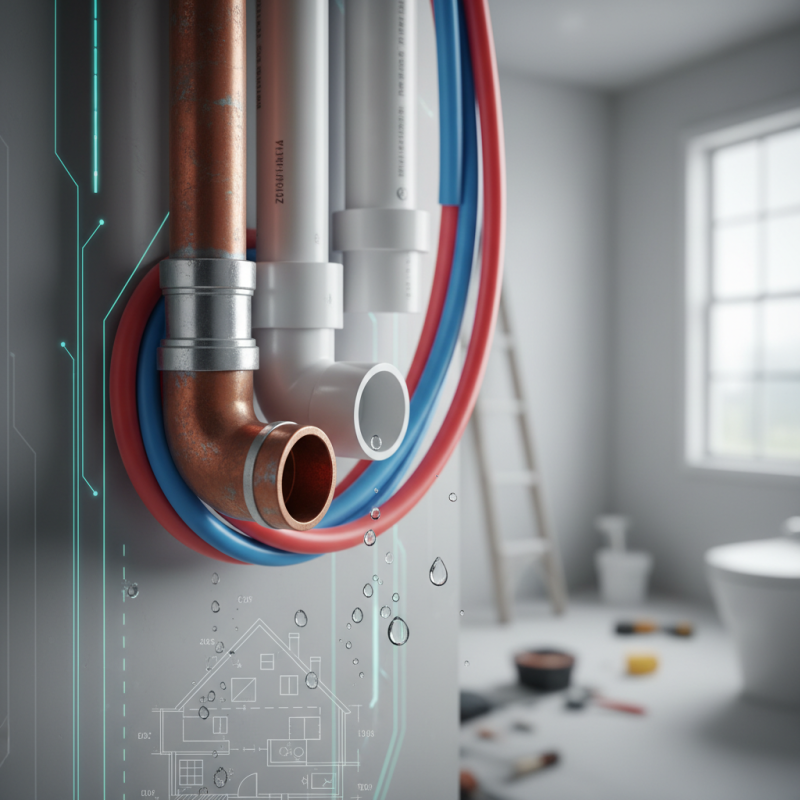
Copper, PVC, and PEX are popular choices. Each type has unique benefits and drawbacks. For instance, copper is durable but expensive. PVC is cost-effective, yet not as sturdy as metal options. PEX offers flexibility but may not be suitable for every climate. Always weigh these factors carefully.
As plumbing technology evolves, so do common practices. It's vital to stay informed. Mistakes in pipe selection can lead to costly repairs. Considerations should include local codes, environmental factors, and personal needs. Make decisions thoughtfully. Embracing the right plumbing pipes will lead to a smoother experience in any project.
2026 Plumbing Pipe Materials Overview: Types and Applications
When selecting plumbing pipes, understanding the materials available is crucial. The market offers various options, each with unique properties. Common materials include PVC, copper, and PEX.
PVC is lightweight and resistant to corrosion, making it a popular choice for drainage systems. Copper pipes, however, excel in durability and reliability. They are often used in water supply lines.
PEX is gaining traction due to its flexibility and ease of installation. It can bend around corners without requiring joints, reducing leak risks. Yet, PEX may not be suitable for outdoor use. Some plumbers prefer copper for its long lifespan, while others lean towards PVC for its cost-effectiveness.
When considering your plumbing needs, evaluate the specific application. Each pipe material has advantages and disadvantages. PVC can become brittle over time. Copper may corrode if water quality is poor. PEX, though easy to handle, is sensitive to UV light. Understanding these factors will help you make a better decision for your plumbing project.
Comparative Analysis of Plumbing Pipe Durability and Lifespan
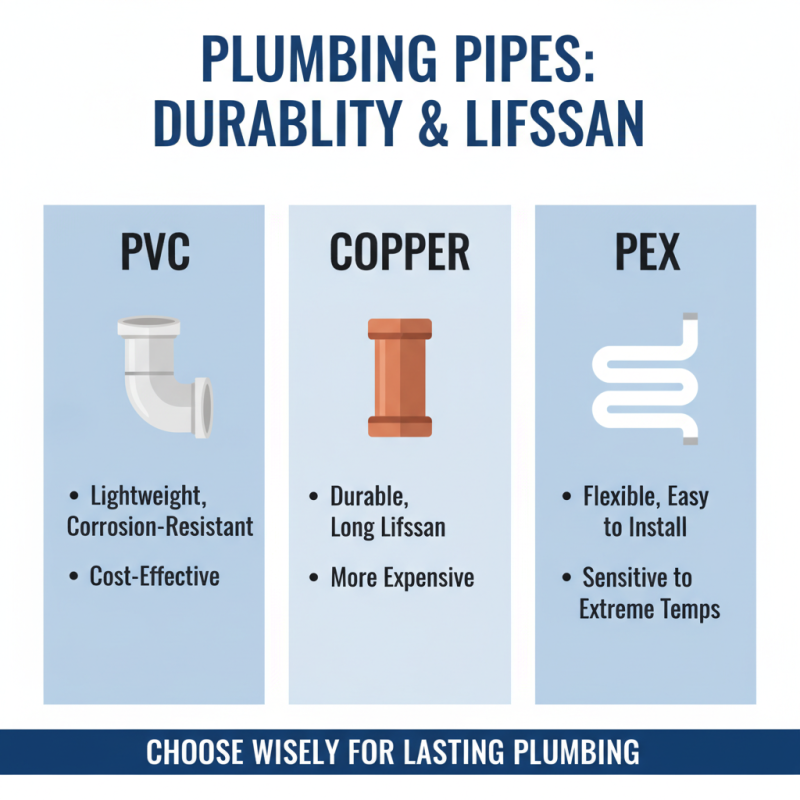
When choosing plumbing pipes, durability and lifespan are key factors. Various materials like PVC, copper, and PEX offer different advantages. PVC pipes are lightweight and resistant to corrosion, making them a popular choice for cost-effective projects. Copper, though more expensive, is durable and has a long lifespan. PEX pipes are flexible and easy to install, but they may not last as long in extreme temperatures.
Tips: Consider the climate. For areas with harsh winters, copper might be more reliable. It can withstand freezing temperatures better than PEX. Also, check for local building codes. They may dictate which materials are acceptable for use in your area.
Reflecting on material choices is crucial. Some homeowners rush in, choosing the least expensive option. However, this can lead to issues down the line. Always weigh initial costs against long-term durability and maintenance expenses. Regular inspections can reveal potential problems, helping you avoid costly repairs.
Tips: Invest in quality over cost. A more durable pipe may save you money in the future. Also, consider installation methods. Proper installation can significantly impact a pipe's longevity. Skipping professional help could lead to leaks and other problems later.
Installation Techniques for Different Plumbing Pipe Materials
When considering plumbing pipe installation, different materials require specific techniques. Copper pipes are often preferred for their durability. They need proper soldering to ensure a tight seal. It's crucial to clean the joints well before applying solder. Overheating can damage the pipes. This is a common mistake that can lead to leaks later.
PVC pipes are easier to work with. They are lightweight and require less skill to install. A good cut and proper glue application ensure a strong connection. Make sure to let the glue set for the recommended time. Rushing this step can result in a weak joint, leading to problems down the line.
For PEX pipes, the approach is different. They use fittings and crimp rings. It's important to measure accurately for a proper fit. Some may struggle with getting the crimp right. Not securing them correctly can create leaks. Take your time to double-check your work. Each material has its quirks. Pay attention to details to avoid future headaches.
Environmental Impact of Plumbing Pipes: Sustainability Considerations
The environmental impact of plumbing pipes is increasingly significant. Many materials used today, like PVC and copper, pose sustainability challenges. A report from the U.S. Environmental Protection Agency states that PVC can take up to 500 years to decompose. This reality raises concerns about the long-term consequences of our plumbing choices.
Recycling is a challenge. While some metals can be reused, plastics often end up in landfills. The 2022 Global Waste Management Report noted that only 9% of plastic waste is ever recycled. This statistic highlights a critical issue: many plumbing materials lack effective end-of-life solutions.
Consider alternatives. PEX and other eco-friendly options are gaining traction. They reduce energy consumption during production and installation. However, awareness is lacking. Education on sustainable choices is essential for consumers. Many still opt for traditional materials without considering their environmental footprint. We need to rethink our plumbing materials for a greener future.
Cost Factors in Selecting Plumbing Pipes for Your Project
Cost factors play a crucial role in selecting plumbing pipes for your project. Each type of pipe comes with its own price range. For example, metal pipes might cost more upfront but can last longer. It's essential to weigh these costs against the longevity and durability of the material.
Installation is another cost variable often overlooked. The complexity of pipe installation can increase labor expenses. Inexperienced plumbers may struggle with certain materials, leading to mistakes and delays. It is wise to consider the skill level required for the selected pipes.
Additionally, local building codes can influence choices and costs. Some areas require specific types of pipes for safety reasons. This can limit options and possibly drive up prices. Remember that while cheaper options might be tempting, they could lead to higher maintenance costs down the line. It's essential to think carefully about the long-term implications of your selections.